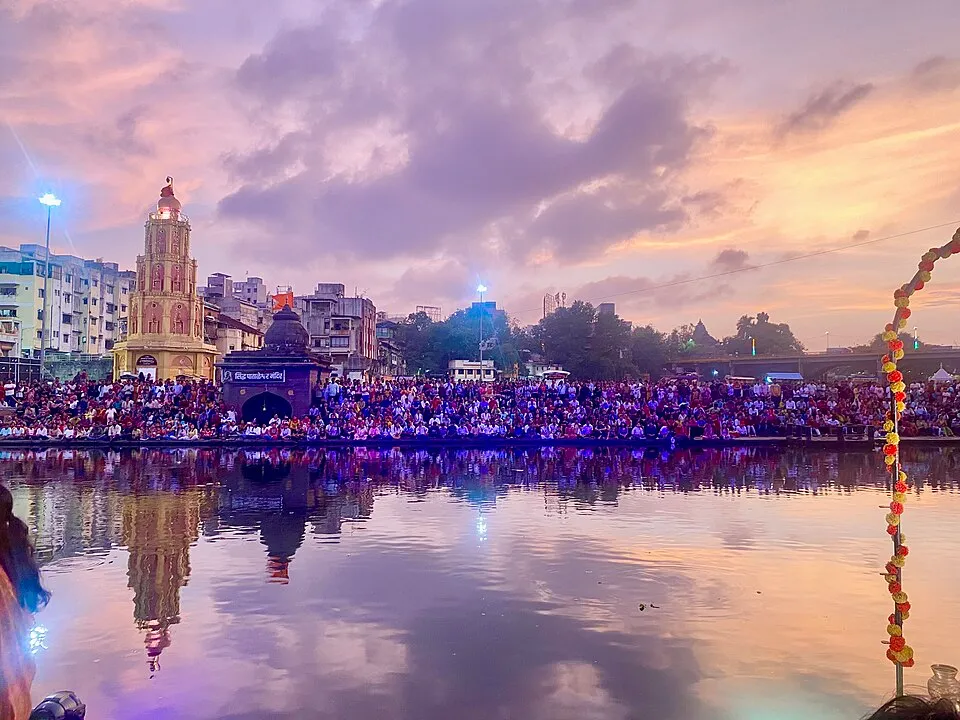
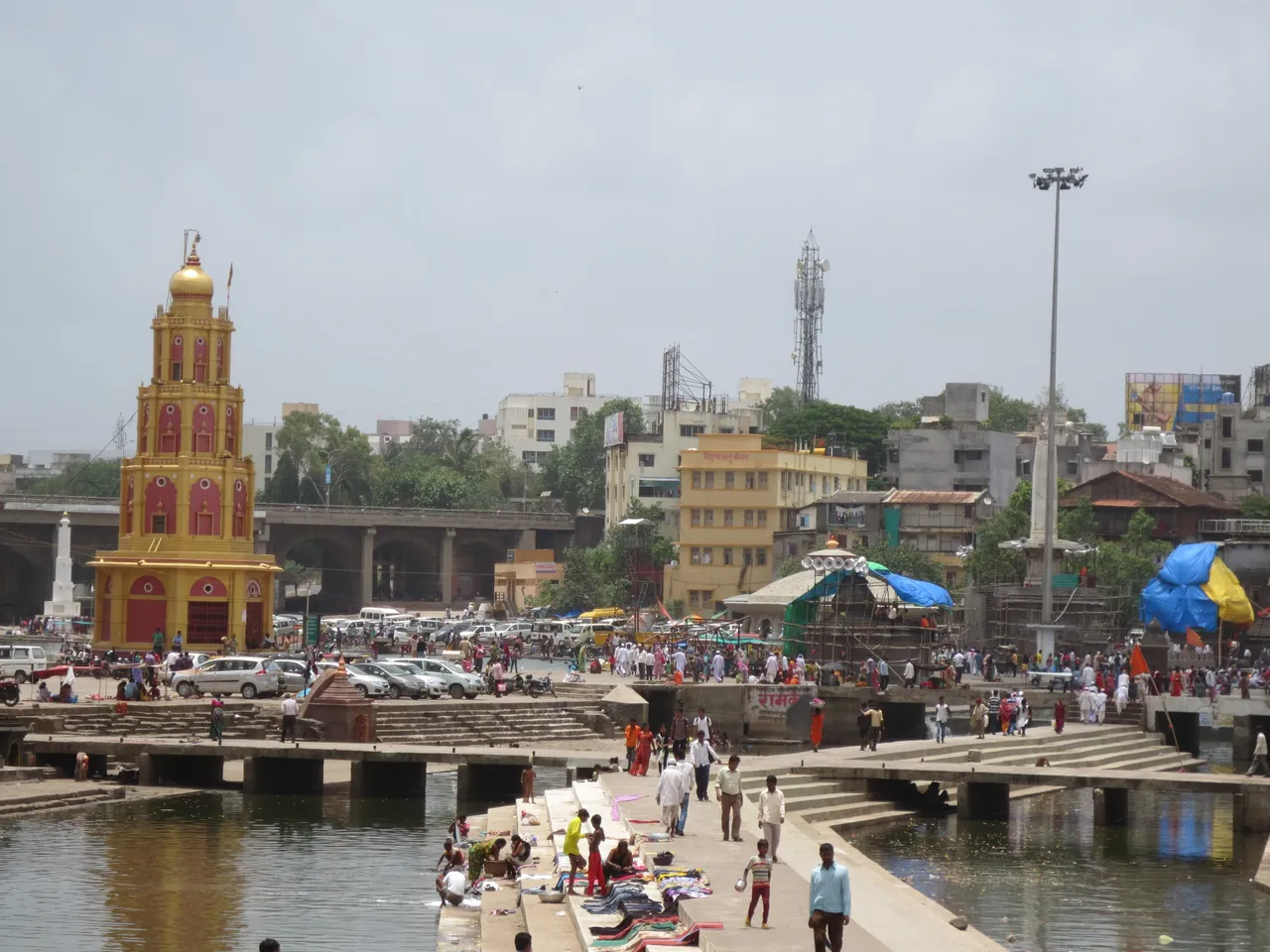
Ramkund Ghat Works: Petitioner Says Steps in the Riverbed and Concreting Breach a 2018 High Court Order; NMC Says It Is Only Repairing Old Ghats; Hearing on 27 October
BBC News Marathi reports that petitioner Rajesh Pandit says ghats and steps built inside the Godavari riverbed near Dutondya Maruti, and concreting at Gandhi Talav, go against a Bombay High Court order of 18 December 2018 that bars structures in the riverbed. River expert Dr Prajakta Baste says concrete over the riverbed cuts off natural springs and wants a technical study. NMC Commissioner Manisha Khatri says the city is only repairing old, damaged ghats and is not building in the riverbed. The High Court hears the Godavari pollution matter next on 27 October.
Listen to this news
2 min read
First announced on
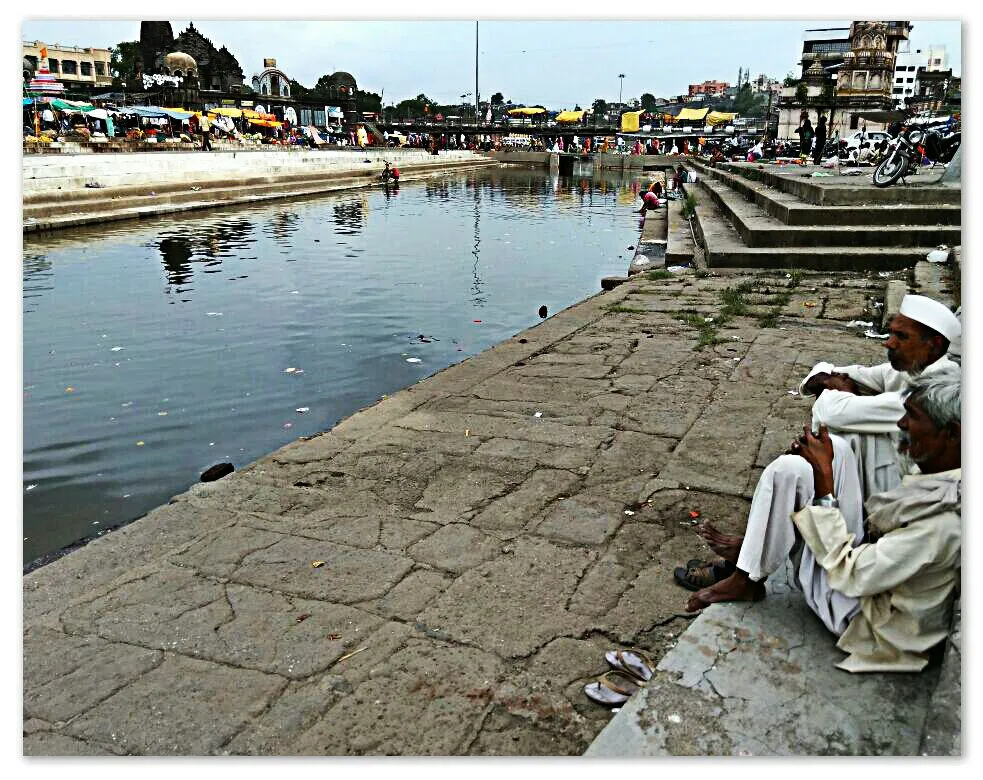
On 22 October we reported that the Bombay High Court gave the Nashik Municipal Corporation two weeks to say what it is doing about Godavari pollution, with the next hearing on 27 October. BBC News Marathi (24 October) now reports a new dispute over the Kumbh works at Ramkund itself. Everything below is reported: these are allegations and replies, and no court has ruled on them.
The allegation (REPORTED)
Activist Rajesh Pandit, who filed the 2012 public interest litigation for reviving the Godavari, told the BBC that:
- Ghats and steps near Dutondya Maruti have been built inside the riverbed, and much of the riverbed at Gandhi Talav is under concrete. The BBC saw a spring flowing out from under the concrete there, with devotees using it to bathe because the kund was dry.
- This goes against the Bombay High Court order of 18 December 2018, which, he says, bars any temporary or permanent structure in the riverbed or within the blue flood line, even for religious purposes.
- Natural springs (jivant zare) in the riverbed are being covered by concrete.
- After his application of 17 October, the Divisional Commissioner's office asked the agencies concerned to take action and report back, and to avoid contempt of court, according to the BBC. The letter does not clearly order the work to stop.
The expert view (REPORTED)
Dr Prajakta Baste, an expert adviser to the Godavari conservation committee that has worked since 2014, told the BBC that concrete is cutting the springs off from the river. She says the old ghats and kunds were built with natural black stone without changing the riverbed much, and new work should follow that. A technical study is needed to know how much the current work has affected the springs, she says.
The NMC's reply (REPORTED)
NMC Commissioner Manisha Khatri told the BBC that the work is repair and restoration of old ghats that had become damaged or hollow, and that no large new construction has been done. "We are not working in the riverbed," she said.
What happens next
- The High Court's 13 October order asked the NMC to set out its pollution steps within two weeks. The next hearing is expected on 27 October. The BBC report does not say whether Pandit will raise the ghat works at that hearing.
- The works are in the Ramkund area, days before the 31 October flag hoisting. Nothing in the report suggests the ceremony is affected.
- We will report what the court says on 27 October.
Why it matters for visitors
Ramkund and the ghats around it are where most people bathe. The Godavari water quality and the condition of the ghats are part of the same court case. For bathing spots, see our ghats page. For the flag hoisting, see the Dhwajarohan 2026 hub.